
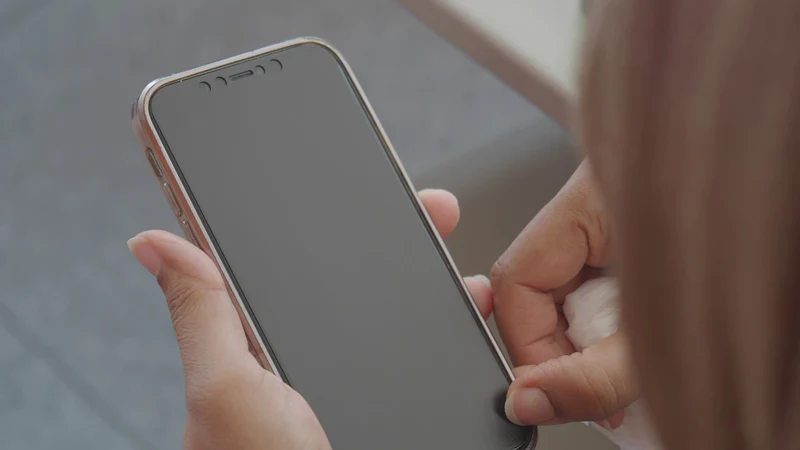
Protecting your iPhone screen is essential, especially as displays become more advanced and costly to repair. While standard tempered glass has long been a popular choice for screen protection, newer options such as UltraVision AR Pro™ introduce features designed to improve visibility and overall user experience.
When comparing UltraVision AR Pro vs tempered glass, it is important to look beyond basic protection. Factors such as glare reduction, screen clarity, fingerprint resistance, and outdoor visibility can significantly impact everyday use. This guide explores the key differences between the two options to help iPhone 17 and iPhone 16 users make an informed decision.
Understanding Modern Screen Protection Technology
Modern screen protectors are designed to do more than prevent scratches. They aim to preserve display quality while adding an extra layer of protection against daily wear and accidental damage.
What Makes a Premium Screen Protector Different?
Premium screen protectors often include advanced coatings and enhanced manufacturing processes. These additions help improve visibility, reduce fingerprints, and maintain the natural appearance of the display while still providing strong protection.
How Anti-Reflective Coatings Improve Visibility
Anti-reflective coatings reduce the amount of light that bounces off the screen. This can make a noticeable difference when using a phone outdoors or under bright indoor lighting. Less reflection means content remains easier to read without constantly adjusting screen brightness.
Why iPhone Displays Require Advanced Protection
The displays on the iPhone 16 and iPhone 17 offer impressive brightness, color accuracy, and resolution. A high-quality screen protector should safeguard the display without compromising these visual qualities. Maintaining touch responsiveness and display clarity is equally important.
What Is UltraVision AR Pro™?
UltraVision AR Pro™ by Clear Lizard is a screen protector designed to combine traditional tempered glass protection with advanced optical enhancements. It focuses on improving visibility while maintaining durability.
Key Features of UltraVision AR Pro™
UltraVision AR Pro™ includes anti-reflective technology, anti-glare treatment, and an oleophobic coating that helps resist fingerprints. These features work together to provide a cleaner viewing experience while preserving the display's original appearance.
Anti-Glare and Anti-Reflective Benefits
One of the most notable advantages of UltraVision AR Pro™ is its ability to reduce glare. Whether checking messages outdoors, using navigation apps, or streaming content, reduced reflections can make the screen easier to view in challenging lighting conditions.
Improved Screen Clarity and Eye Comfort
By minimizing reflections, UltraVision AR Pro™ helps maintain sharp visuals and vibrant colors. Users may also find prolonged screen use more comfortable because there is less visual distraction caused by glare and reflected light.
Fingerprint Resistance and Durability
The oleophobic coating helps prevent oils and fingerprints from accumulating on the screen. This allows the display to remain cleaner throughout the day while reducing the need for frequent wiping. Combined with durable tempered glass construction, the protector is designed for long-term everyday use.
Standard Tempered Glass Explained
Standard tempered glass remains one of the most common forms of screen protection. It provides a practical solution for users looking to protect their devices from scratches and minor impacts.
What Standard Tempered Glass Offers
Most tempered glass screen protectors feature a 9H hardness rating, which helps resist scratches caused by everyday objects such as keys, coins, and debris. They also provide a smooth surface that closely resembles the original screen.
Strengths of Traditional Tempered Glass
Standard tempered glass is known for its durability, affordability, and ease of installation. Many users choose it because it delivers reliable protection without requiring a significant investment.
Common Limitations
While tempered glass offers solid physical protection, many standard options lack anti-reflective and anti-glare coatings. As a result, users may experience increased reflections, reduced visibility in sunlight, and more noticeable fingerprint buildup.
Outdoor Visibility Challenges
Direct sunlight and bright environments can create reflections that make screens harder to read. Standard tempered glass does not typically address this issue, which can affect usability during outdoor activities.
UltraVision AR Pro™ vs Tempered Glass: Side-by-Side Comparison
Both products provide screen protection, but their performance differs in several important areas.
Scratch and Impact Protection
UltraVision AR Pro™ and standard tempered glass both offer strong protection against scratches and everyday wear. Their tempered glass construction helps absorb minor impacts and reduces the risk of direct screen damage.
Glare Reduction Performance
This is where UltraVision AR Pro™ stands apart. Its anti-glare and anti-reflective technologies are specifically designed to reduce reflections and improve visibility. Standard tempered glass generally offers little to no glare reduction.
Display Quality and Clarity
Because UltraVision AR Pro™ minimizes reflected light, the display often appears clearer in bright environments. Standard tempered glass may maintain clarity indoors but can struggle under direct sunlight.
Smudge and Fingerprint Resistance
The advanced oleophobic coating used in UltraVision AR Pro™ helps reduce fingerprint accumulation. Standard tempered glass may include basic coatings, but many products require more frequent cleaning to maintain a clear appearance.
Touch Sensitivity and User Experience
Both options are designed to preserve touch responsiveness. When properly installed, users should experience smooth and accurate touch performance regardless of the protector selected.
Which Option Is Best for Different Users?
The ideal screen protector often depends on individual usage habits and daily environments.
Frequent Travelers and Outdoor Users
People who spend significant time outdoors may benefit from UltraVision AR Pro™. Reduced glare and improved visibility can make it easier to use maps, read notifications, and view content in bright conditions.
Students and Business Professionals
Students and professionals frequently switch between indoor and outdoor settings. A screen protector that improves visibility while maintaining display clarity can support productivity throughout the day.
Mobile Gamers and Content Creators
Gamers and content creators often rely on visual quality and screen responsiveness. The reduced reflections offered by UltraVision AR Pro™ may provide a more enjoyable viewing experience when consuming or creating content.
Everyday Smartphone Users
For users primarily focused on basic protection, standard tempered glass remains a practical choice. However, those seeking a cleaner display and improved visibility may appreciate the additional features included with UltraVision AR Pro™.
Final Verdict
When comparing UltraVision AR Pro vs tempered glass, both options provide valuable protection for iPhone 17 and iPhone 16 devices. Standard tempered glass remains a reliable solution for preventing scratches and handling everyday wear.
However, Clear Lizard's UltraVision AR Pro™ goes beyond basic protection by incorporating anti-reflective and anti-glare technologies that improve screen visibility. The addition of fingerprint-resistant coatings and enhanced display clarity makes it a strong option for users who frequently use their phones outdoors or in bright environments.
Ultimately, the right choice depends on your priorities. If basic protection is the primary goal, standard tempered glass may be sufficient. If you value improved visibility, reduced glare, and a cleaner screen experience, UltraVision AR Pro™ offers additional benefits that can enhance daily smartphone use.
Frequently Asked Questions
1. Is UltraVision AR Pro™ made from tempered glass?
Yes. UltraVision AR Pro™ combines tempered glass protection with advanced anti-reflective and anti-glare technologies for enhanced usability.
2. Does UltraVision AR Pro™ reduce screen glare?
Yes. The screen protector is specifically designed to reduce glare and reflections, helping improve visibility in bright lighting conditions.
3. Which is better for outdoor use: UltraVision AR Pro™ or standard tempered glass?
UltraVision AR Pro™ is generally better suited for outdoor use because its anti-reflective coating helps reduce sunlight reflections and improve screen readability.
4. Does UltraVision AR Pro™ affect touch sensitivity?
No. It is designed to maintain smooth and responsive touch performance while protecting the display.
5. Is standard tempered glass still a good choice?
Yes. Standard tempered glass remains an effective option for users seeking reliable scratch and impact protection at a lower cost.
6. Can UltraVision AR Pro™ help reduce fingerprints?
Yes. Its oleophobic coating helps resist fingerprints, oils, and smudges, keeping the screen cleaner during everyday use.


Share:
Technology - Latest Trends, Innovations, and Updates
How to Install a Tempered Glass Screen Protector Without Bubbles