
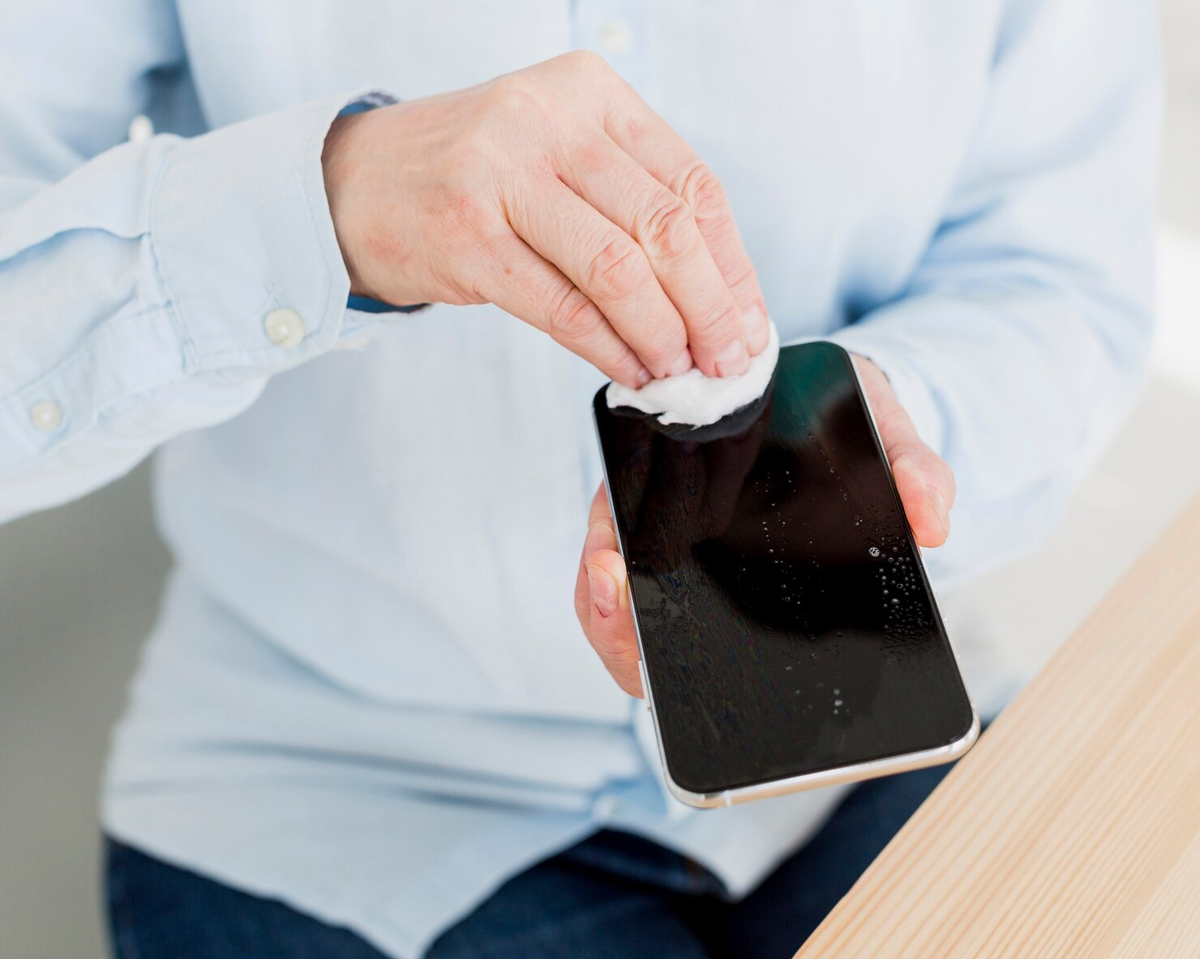
Apple's latest smartphones feature some of the most durable displays ever introduced on an iPhone. With the inclusion of Ceramic Shield technology and ongoing improvements in screen durability, many users wonder whether a screen protector is still necessary.
The answer is not always straightforward. While the iPhone 16 and iPhone 17 offer improved resistance to drops and everyday wear, they are not completely immune to scratches, cracks, or long-term damage. Understanding what modern display technology can and cannot do helps determine whether additional protection is worthwhile.
Understanding Ceramic Shield
Ceramic Shield is one of Apple's most significant display durability innovations. However, there are common misconceptions about what it actually protects against.
What Ceramic Shield Actually Does
Ceramic Shield incorporates ceramic crystals into the display glass to improve durability. According to Apple, this technology helps increase resistance to accidental drops while maintaining display quality and touch responsiveness.
Apple's Durability Claims and Real-World Performance
Apple highlights Ceramic Shield's improved toughness compared to previous iPhone generations. While independent testing often confirms enhanced durability, real-world conditions vary significantly. The angle of impact, surface type, and force of a drop can all influence the outcome.
Scratch Resistance Is Not Scratch Proof
One of the most common misunderstandings is that Ceramic Shield prevents scratches entirely. While it improves durability, it can still develop scratches from contact with abrasive materials, dust particles, and everyday objects.
Long-Term Wear and User Expectations
Over months and years of use, even durable displays can show signs of wear. Micro-scratches may accumulate and become visible under certain lighting conditions. For users who want to preserve the original appearance of their device, additional screen protection may still be beneficial.
Common Causes of Screen Damage
Many forms of screen damage occur during normal daily activities rather than major accidents. Understanding these risks helps explain why screen protectors remain popular.
Keys, Coins, and Everyday Objects
Phones are frequently carried in pockets, bags, and backpacks alongside other items. Although keys and coins may not always cause serious damage, repeated contact can contribute to wear over time.
Dust and Sand Particles
Dust and sand are often more abrasive than many users realize. Tiny particles trapped between the phone and another surface can leave scratches that become noticeable during everyday use.
Accidental Drops and Impacts
Even careful users occasionally drop their devices. While Ceramic Shield helps improve drop resistance, it cannot guarantee protection in every situation. Unexpected impacts remain one of the leading causes of screen damage.
What a Screen Protector Adds
A screen protector serves as an additional layer between the display and potential hazards. While it does not make a phone indestructible, it can provide several practical benefits.
Extra Scratch Protection
One of the primary advantages of a screen protector is protection against scratches. The protector absorbs the wear instead of the display itself, helping maintain the screen's appearance over time.
Additional Impact Absorption
Although a screen protector cannot prevent all damage, tempered glass protectors may help absorb some impact energy during minor drops and collisions.
Fingerprint Resistance and Cleaner Screens
Many modern screen protectors include oleophobic coatings that reduce fingerprint buildup and make the display easier to clean. This can improve the overall viewing experience throughout the day.
Improved Visibility and Glare Reduction
Certain premium protectors incorporate anti-glare and anti-reflective technologies. These features can make screens easier to view in bright environments by reducing distracting reflections.
Better Resale Value and Easier Maintenance
Keeping the original display in excellent condition can help preserve the value of the device. A screen protector can simplify maintenance by protecting against cosmetic wear that may otherwise accumulate over time.
Benefits of UltraVision AR Pro™
Modern screen protectors have evolved beyond basic scratch protection. Premium products now focus on improving usability as well as durability.
Advanced Anti-Reflective Technology
UltraVision AR Pro™ by Clear Lizard incorporates anti-reflective technology designed to reduce the amount of light reflected from the screen. This can improve readability in both indoor and outdoor environments.
Reduced Glare and Improved Visibility
Glare from sunlight and bright indoor lighting can make screens difficult to read. UltraVision AR Pro™ helps minimize these reflections, creating a clearer viewing experience throughout the day.
Cleaner Display Experience
The protector includes coatings that help resist fingerprints, oils, and smudges. As a result, the screen remains cleaner and requires less frequent maintenance.
Responsive Touch Performance and Durability
While adding protection, UltraVision AR Pro™ is designed to preserve touch sensitivity and display clarity. Users can continue enjoying a natural smartphone experience without sacrificing functionality.
Long-Term Value
For users investing in premium devices such as the iPhone 16 and iPhone 17, preserving screen quality can help maintain both appearance and usability over the long term.
Expert Recommendations
Different users face different risks, making screen protection a more important consideration for some than others.
Professionals and Business Users
Professionals often rely heavily on their devices throughout the workday. Protecting the display can help maintain a polished appearance and ensure consistent usability.
Travelers and Outdoor Workers
Frequent exposure to bright environments and active conditions increases the likelihood of scratches and accidental drops. Anti-glare screen protection can provide additional practical benefits.
Students and Content Creators
Students and creators frequently use their devices for extended periods. Clear visibility, fingerprint resistance, and display preservation can contribute to a better overall experience.
Final Answer
So, do you need a screen protector for iPhone 16 and iPhone 17? In most cases, the answer is yes.
Is a Screen Protector Necessary?
Ceramic Shield significantly improves display durability, but it does not eliminate the possibility of scratches, cracks, or long-term wear. A screen protector provides an additional layer of protection that helps preserve the condition of the display.
Cost Comparison and Risk Analysis
Replacing a damaged screen can be expensive compared to the cost of a quality screen protector. For many users, adding protection is a practical way to reduce potential repair expenses.
Common Misconceptions
A common myth is that stronger display glass makes screen protectors unnecessary. In reality, durability improvements reduce risk but do not completely remove it.
The Best Protection Strategy
Combining a quality case with a reliable screen protector provides the most comprehensive protection against everyday hazards. This approach helps address both impact-related and cosmetic damage.
Key Conclusions
The iPhone 16 and iPhone 17 feature highly durable displays, but they are still exposed to scratches, drops, dust, and everyday wear. For users who want to maintain screen clarity, reduce glare, and protect their investment, a quality screen protector remains a sensible addition.
Products such as UltraVision AR Pro™ from Clear Lizard offer more than basic protection by combining tempered glass durability with anti-reflective technology, glare reduction, and fingerprint resistance. For many users, these added benefits make a screen protector a worthwhile part of their device protection strategy.
Frequently Asked Questions
1. Does Ceramic Shield eliminate the need for a screen protector?
No. Ceramic Shield improves durability, but it does not make the display immune to scratches, cracks, or everyday wear.
2. Can iPhone 16 and iPhone 17 screens still scratch?
Yes. Even advanced display glass can develop scratches from dust, sand, abrasive particles, and daily use.
3. Is a tempered glass screen protector worth it?
For many users, tempered glass provides valuable protection against scratches and helps absorb minor impacts.
4. What are the benefits of anti-glare screen protectors?
Anti-glare screen protectors reduce reflections and improve visibility, especially when using a phone outdoors or under bright lighting.
5. Does UltraVision AR Pro™ affect touch sensitivity?
No. UltraVision AR Pro™ is designed to maintain smooth and responsive touch performance while protecting the display.
6. What is the best way to protect an iPhone display?
Using a quality screen protector together with a protective case offers the most complete protection against common forms of screen damage.


Share:
Why Does My Screen Protector Keep Lifting at the Edges?
How to Keep Your iPhone Screen Scratch-Free for Years