
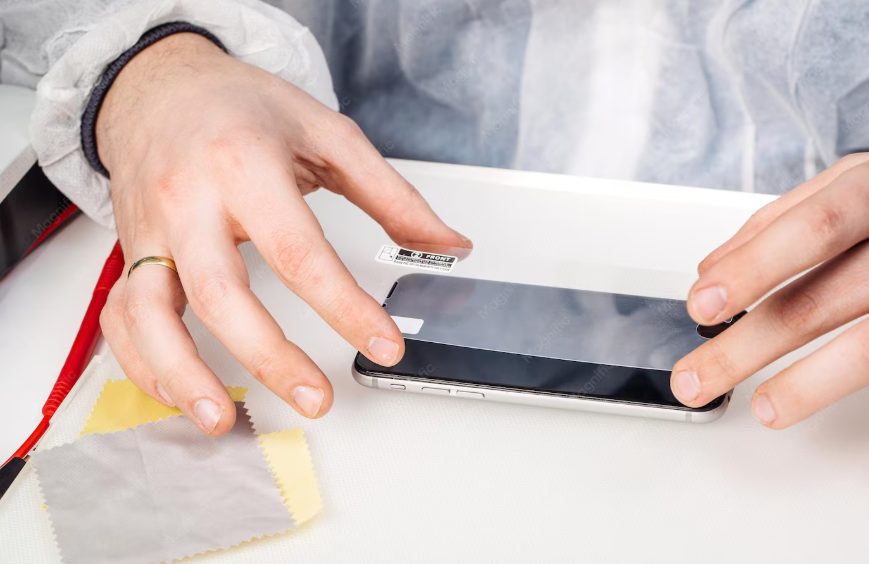
Choosing the best iPhone screen protector can be challenging, especially when different iPhone generations have unique display technologies, screen sizes, and protection requirements. While all iPhones benefit from added screen protection, the ideal solution often depends on the specific model and how the device is used.
From the iPhone 11 to the latest iPhone 17, screen technology has continued to evolve. Along with these advancements, screen protectors have also improved, offering features such as anti-glare coatings, enhanced scratch resistance, fingerprint protection, and anti-reflective technology. This guide explores the best protection options for each iPhone generation and highlights the factors worth considering before making a purchase.
Understanding Screen Protection Across iPhone Generations
Apple has introduced several display improvements over the years, but no smartphone screen is completely immune to scratches, drops, and daily wear. Understanding how iPhone displays have evolved can help users choose appropriate protection.
Changes in Display Technology
Since the release of the iPhone 11, Apple has continuously refined display quality with brighter screens, improved color accuracy, and enhanced durability. These upgrades improve the user experience but also increase the importance of maintaining display quality through proper protection.
The Evolution of Ceramic Shield
Beginning with later iPhone generations, Apple introduced Ceramic Shield technology to improve drop resistance. While Ceramic Shield offers greater durability than previous display materials, it does not eliminate the risk of scratches, cracks, or accidental damage.
Why Screen Protection Still Matters
Even with stronger display materials, everyday hazards remain. Dust particles, keys, coins, and accidental drops can still affect screen condition. A quality screen protector adds an extra layer of protection while helping preserve the appearance and functionality of the device.
Protection Trends and User Needs
Modern screen protectors now focus on more than impact resistance. Features such as glare reduction, anti-reflective coatings, fingerprint resistance, and improved visibility have become increasingly important for users who rely heavily on their smartphones throughout the day.
Best Protection for iPhone 11 Users
Although the iPhone 11 remains a popular device, its display can benefit significantly from added protection due to years of daily use.
Understanding iPhone 11 Screen Vulnerabilities
The iPhone 11 lacks some of the durability enhancements found in newer models. As a result, protecting the screen against scratches and impacts remains an important consideration for long-term device maintenance.
Recommended Screen Protector Types
High-quality tempered glass protectors provide reliable scratch resistance and help reduce the likelihood of screen damage during minor drops. For most users, tempered glass remains the most practical option.
Visibility and Outdoor Use Considerations
Many iPhone 11 users continue to use their devices outdoors for navigation, communication, and media consumption. Screen protectors with glare-reducing properties can help improve visibility in bright conditions.
Long-Term Maintenance Tips
Regular cleaning, careful installation, and timely replacement of damaged protectors can help maintain display quality and extend the lifespan of the device.
Best Protection for iPhone 12 and 13 Users
The iPhone 12 and iPhone 13 introduced Ceramic Shield technology, improving screen durability while maintaining premium display quality.
Ceramic Shield Does Not Eliminate Risk
Although Ceramic Shield provides improved resistance to drops, scratches remain a concern. Small abrasions can accumulate over time and affect the appearance of the display.
Why Tempered Glass Remains Popular
Tempered glass protectors continue to be one of the best choices for iPhone 12 and 13 users because they provide strong scratch resistance without compromising screen clarity or touch performance.
Glare Reduction and Everyday Usability
Users who frequently work outdoors or travel regularly may benefit from screen protectors that include anti-glare features. Reduced reflections can make notifications, navigation, and media content easier to view.
Balancing Protection and Productivity
A quality screen protector should preserve touch responsiveness, Face ID functionality, and display clarity while providing dependable protection against daily wear.
Best Protection for iPhone 14 and 15 Users
The iPhone 14 and iPhone 15 feature advanced displays that deliver excellent brightness, color reproduction, and viewing quality.
Protecting Modern Display Technology
As display quality improves, maintaining screen clarity becomes increasingly important. A poorly designed screen protector can affect visual quality, making product selection an important consideration.
Benefits of Anti-Glare Technology
Anti-glare screen protectors can improve visibility in bright environments by reducing distracting reflections. This feature is particularly useful for users who frequently work outdoors or travel.
Meeting the Needs of Different Users
Students, professionals, and everyday users often rely on their smartphones throughout the day. A protector that balances durability, visibility, and responsiveness can support a wide range of activities.
Installation and Durability Considerations
Proper installation helps ensure full adhesion and optimal protection. Choosing a quality protector designed specifically for the device can improve long-term performance.
Best Protection for iPhone 16 and 17 Users
The latest iPhone models feature some of Apple's most advanced displays to date. Protecting these premium screens requires solutions that preserve both durability and visual quality.
Why Premium Displays Need Premium Protection
The displays on the iPhone 16 and iPhone 17 offer exceptional brightness, detail, and color accuracy. Screen protectors should protect these displays without diminishing their visual performance.
The Role of Advanced Anti-Reflective Technology
As smartphones are increasingly used outdoors, anti-reflective technology has become a valuable feature. Reducing reflections helps improve readability and overall viewing comfort.
UltraVision AR Pro™ Benefits
UltraVision AR Pro™ from Clear Lizard combines tempered glass protection with anti-reflective and anti-glare technologies. These features help improve screen visibility while maintaining durability and touch responsiveness.
Enhanced Visibility and User Experience
Reduced reflections can make it easier to read messages, view maps, stream content, and use productivity applications in bright environments. Fingerprint-resistant coatings further contribute to a cleaner screen experience.
Long-Term Value for Premium Devices
Investing in advanced screen protection can help preserve display quality and maintain the appearance of high-end smartphones throughout their lifespan.
Final Buying Recommendations
The best screen protector depends on your device, environment, and daily usage habits. Understanding your priorities can help narrow down the available options.
Best Overall Choice
For users seeking a balance of protection, visibility, and everyday usability, premium tempered glass solutions with advanced coatings often provide the most complete experience.
Best Budget Choice
Standard tempered glass remains a cost-effective solution for users focused primarily on scratch and impact resistance.
Best Anti-Glare Option
Screen protectors that incorporate anti-glare and anti-reflective technology can significantly improve visibility in bright environments.
Best for Outdoor Users
Individuals who frequently use navigation apps, travel, or work outdoors may benefit from advanced glare-reduction features that improve screen readability.
Best for Professionals and Students
Users who spend extended periods on their devices often value screen clarity, fingerprint resistance, and responsive touch performance.
Best Long-Term Investment
For newer devices such as the iPhone 16 and iPhone 17, advanced protection solutions like UltraVision AR Pro™ by Clear Lizard offer features that help preserve display quality while improving everyday usability.
Final Comparison Summary
When searching for the best iPhone screen protector, there is no single solution that fits every user. Older devices such as the iPhone 11 benefit greatly from reliable tempered glass protection, while newer models can take advantage of advanced technologies designed to improve visibility and screen clarity.
For users who prioritize glare reduction, anti-reflective performance, and premium display preservation, modern solutions such as UltraVision AR Pro™ provide additional benefits beyond traditional screen protection. Selecting the right protector ultimately comes down to how you use your iPhone and which features matter most in your daily routine.
Frequently Asked Questions
1. What is the best iPhone screen protector overall?
A high-quality tempered glass screen protector with advanced features such as anti-reflective coatings and fingerprint resistance is often considered the best all-around choice.
2. Do newer iPhones still need screen protectors?
Yes. Although modern iPhones include stronger display materials, screen protectors still help reduce scratches, wear, and potential damage from accidents.
3. Is tempered glass better than film protectors?
For most users, tempered glass provides better scratch resistance, durability, and overall protection than standard film protectors.
4. Which screen protector is best for outdoor use?
Anti-glare and anti-reflective screen protectors are generally the best options for outdoor visibility and readability.
5. Is UltraVision AR Pro™ compatible with newer iPhones?
Yes. UltraVision AR Pro™ is designed to support modern iPhone models while maintaining display quality and touch responsiveness.
6. How often should an iPhone screen protector be replaced?
A screen protector should be replaced when it becomes cracked, heavily scratched, or begins to lose adhesion around the edges.


Share:
How to Keep Your iPhone Screen Scratch-Free for Years
Does a Tempered Glass Screen Protector Affect Display Quality?