
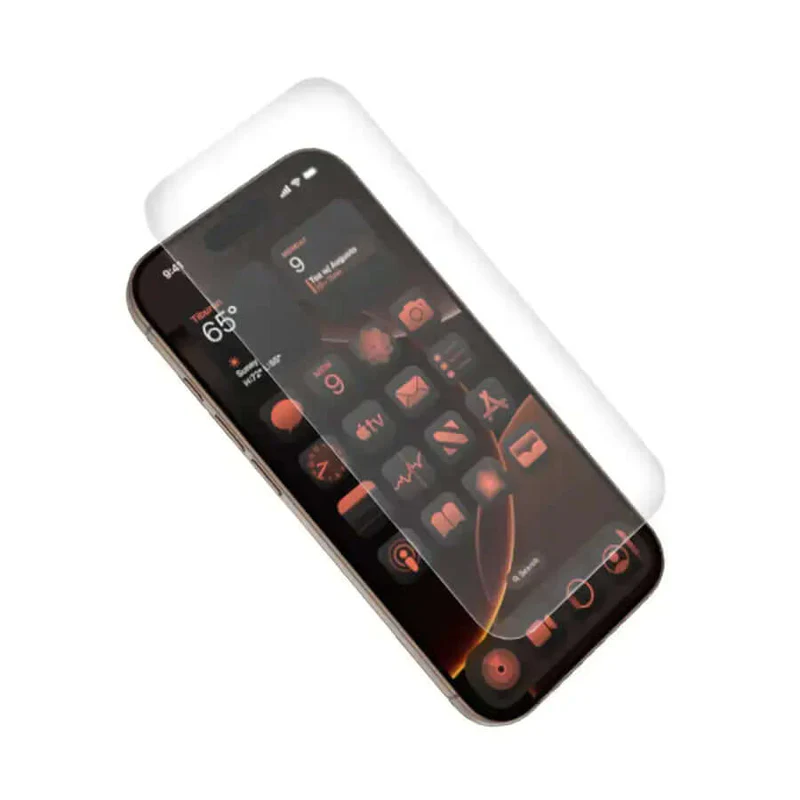
Tempered glass screen protectors have become one of the most popular smartphone accessories, yet many misconceptions still surround them. Some people believe they reduce display quality, while others assume they make phones completely unbreakable. These misunderstandings often make it difficult to know what a screen protector can and cannot do.
Understanding the truth behind these tempered glass myths helps you make informed decisions when choosing protection for your device. While tempered glass offers several practical benefits, it also has limitations that are important to recognize.
In this guide, Clear Lizard separates myths from reality by exploring common misconceptions and explaining the screen protector facts every smartphone user should know. You'll also learn how tempered glass contributes to scratch resistance, crack protection, and overall phone durability.
Why Are There So Many Myths About Tempered Glass?
Tempered glass screen protectors have been available for years, but outdated information and marketing claims have created confusion. Some myths are based on older products, while others come from unrealistic expectations about what a screen protector is designed to do.
Understanding the purpose of tempered glass makes it easier to separate facts from misconceptions.
Tempered Glass Has Improved Over Time
Early screen protectors often lacked the clarity, responsiveness, and durability found in today's products. As manufacturing techniques have improved, modern tempered glass protectors provide better transparency, smoother touch performance, and stronger protection.
Despite these improvements, many outdated beliefs continue to circulate online, causing unnecessary confusion among smartphone users.
Marketing Claims Can Be Misleading
Some advertisements suggest that tempered glass makes a phone completely indestructible. While it adds an important layer of protection, no screen protector can eliminate every risk associated with drops or impacts.
Knowing the actual capabilities of tempered glass helps set realistic expectations and prevents disappointment after installation.
Every Phone Is Used Differently
The level of protection a screen protector provides depends on how the phone is used each day. Someone who works outdoors may expose their device to different conditions than someone who primarily uses it in an office.
Understanding your daily habits allows you to choose protection that matches your needs instead of relying on common myths.
Myth 1: Tempered Glass Makes Your Phone Screen Unbreakable
One of the biggest tempered glass myths is that installing a screen protector guarantees your phone screen will never crack. While tempered glass improves protection, it cannot prevent every type of damage.
Its purpose is to absorb part of the impact and reduce the likelihood of damage reaching the display underneath.
What Tempered Glass Actually Does
A tempered glass protector acts as a sacrificial layer during minor impacts. Instead of allowing everyday bumps or scratches to affect the original display, the protector absorbs much of the damage.
This additional layer helps improve crack protection, but it cannot eliminate every possibility of screen damage, especially during severe drops.
Impact Depends on the Accident
The height of the drop, the angle of impact, and the surface the phone lands on all influence the outcome. A screen protector may help reduce damage in one situation but cannot guarantee identical results in every accident.
Using a protective phone case alongside tempered glass provides more complete protection than relying on either accessory alone.
Myth 2: Tempered Glass Scratches Easily
Some users assume that because they notice scratches on their screen protector, tempered glass offers poor durability. In reality, those scratches often indicate that the protector has successfully prevented damage to the phone's original display.
This misunderstanding is one of the most common screen protector facts people overlook.
Scratch Resistance Protects Your Display
Quality tempered glass is designed with excellent scratch resistance to handle everyday contact with common objects. Keys, coins, and similar items are more likely to mark the protector than the original display underneath.
Replacing a scratched protector is much easier and less expensive than repairing a scratched smartphone screen.
Everyday Wear Is Normal
No protective material remains completely flawless forever. Over time, normal use may leave small marks on the protector, particularly if the phone is carried alongside hard objects.
These signs of wear show that the protector is doing its intended job by absorbing everyday damage before it reaches your screen.
Myth 3: All Tempered Glass Screen Protectors Are the Same
Many people choose a screen protector based only on price, believing every product provides the same level of performance. In reality, manufacturing quality, glass treatment, adhesive strength, and overall design vary significantly between products.
These differences can affect both protection and the overall user experience.
Material Quality Matters
High-quality tempered glass typically offers better transparency, stronger adhesion, and improved durability. Premium manufacturing also helps maintain touch responsiveness and reduces issues such as edge lifting.
Lower-quality protectors may still provide basic protection, but they often wear out more quickly or affect the appearance of the display.
Proper Fit Improves Performance
A protector designed specifically for your phone model provides better coverage than a universal option. Proper alignment improves both protection and everyday usability while reducing installation issues.
Choosing the correct fit also helps ensure compatibility with your phone case and front-facing sensors.
Myth 4: A Screen Protector Reduces Touch Sensitivity
Many smartphone users avoid installing a screen protector because they believe it will make the touchscreen less responsive. While this may have been true for some older or poorly made products, modern tempered glass protectors are designed to work seamlessly with today's touchscreens.
When properly installed, a quality protector should feel almost identical to the original display.
Modern Screen Protectors Support Smooth Touch Response
Today's smartphones use advanced capacitive touch technology that works effectively through a thin layer of tempered glass. Swiping, typing, and tapping remain smooth because the protector is designed to transmit touch input accurately.
Most users notice little to no difference in everyday performance after installing a high-quality screen protector.
Poor Installation Can Affect Performance
Touch issues are often caused by improper installation rather than the tempered glass itself. Dust trapped beneath the protector or air bubbles around the edges can reduce contact with the screen and create inconsistent touch response.
Cleaning the display thoroughly and following the installation instructions carefully helps maintain reliable touch performance.
Myth 5: Tempered Glass Replaces a Phone Case
Some people believe that adding a tempered glass screen protector means a phone case is no longer necessary. Although tempered glass provides valuable screen protection, it is designed to protect only the display and not the rest of the device.
Using both accessories together provides more complete protection during everyday use.
Screen Protectors and Cases Have Different Purposes
A tempered glass protector helps defend the display against scratches, minor impacts, and everyday wear. A phone case, on the other hand, helps protect the sides, corners, and back of the device from damage caused by accidental drops.
Using both accessories together creates a more balanced approach to protecting your smartphone.
Better Protection for Daily Use
Accidents happen in different ways, and no single accessory can protect every part of your phone. Combining a quality screen protector with a well-fitted phone case improves overall phone durability and reduces the likelihood of expensive repairs.
This combination is especially useful for people who frequently carry their phones while traveling, commuting, or working outdoors.
Myth 6: Modern Phones Don't Need Screen Protectors
Many modern smartphones feature durable display glass, leading some users to believe that additional protection is unnecessary. While today's screens are stronger than ever, they are still vulnerable to everyday scratches and accidental impacts.
Durable does not mean damage-proof.
Strong Glass Can Still Scratch
Even advanced smartphone glass can develop fine scratches from sand, dust, and hard objects carried in pockets or bags. These marks may not affect performance immediately, but they can become more noticeable over time.
A tempered glass protector adds an extra layer that absorbs this everyday wear before it reaches the original display.
Long-Term Protection Matters
Keeping your display in good condition helps preserve both the appearance and value of your smartphone. A clean, scratch-free screen can also improve the experience if you decide to sell or trade in your device later.
Using a screen protector is a simple way to support long-term phone durability without changing how the device looks or feels.
Myth 7: A Cracked Screen Protector Means Your Phone Screen Is Broken
Seeing a cracked screen protector can be alarming, and many people immediately assume the display underneath has also been damaged. Fortunately, that is not always the case.
In many situations, the protector cracks while successfully absorbing the impact that could have reached the original screen.
The Protector Is Designed to Absorb Damage
Tempered glass is engineered to take the force of everyday impacts before it reaches the display underneath. If the protector cracks after a drop, it often means it has done exactly what it was designed to do.
Removing the damaged protector allows you to inspect the original screen and determine whether any further damage has occurred.
Inspect the Display Before Assuming the Worst
After removing a cracked protector, carefully examine the phone's display under good lighting. In many cases, the screen underneath remains completely intact, requiring only a replacement screen protector.
If the display itself has been damaged, replacing the protector will not solve the issue. However, the protector may have reduced the severity of the impact.
Final Thoughts
There are many tempered glass myths that continue to influence how people view screen protectors. While tempered glass is not a guarantee against every accident, it plays an important role in protecting smartphones from everyday scratches and minor impacts.
Understanding the real screen protector facts helps set realistic expectations. Features such as scratch resistance, improved crack protection, and better phone durability make tempered glass a practical accessory, but its effectiveness also depends on proper installation and daily care.
By separating myths from facts, you can make better decisions about protecting your smartphone. Clear Lizard encourages users to choose quality screen protectors that are designed for their specific device and to pair them with good everyday handling habits for long-lasting protection.
Frequently Asked Questions
1. Do tempered glass screen protectors really work?
Yes. Tempered glass screen protectors help reduce everyday scratches and absorb minor impacts before they reach the phone's original display. While they cannot prevent every type of damage, they provide an additional layer of protection.
2. Can tempered glass prevent screen cracks?
Tempered glass improves crack protection by absorbing part of the impact during accidental drops. However, the outcome depends on factors such as the height of the fall, the angle of impact, and the surface the phone lands on.
3. Does tempered glass affect touch sensitivity?
A high-quality tempered glass screen protector that is installed correctly should maintain normal touch sensitivity. Most users experience little to no difference during everyday use.
4. Is a scratched screen protector still protecting my phone?
Yes. Small scratches on the protector usually indicate that it has absorbed everyday wear instead of allowing the original screen to become damaged. However, a heavily scratched or cracked protector should be replaced.
5. Should I use both a phone case and a screen protector?
Yes. A screen protector helps protect the display, while a phone case protects the edges and back of the device. Using both together provides better overall phone durability and more complete protection.


Share:
What Is the Best Screen Protector for iPhone 17 in 2026?